


Steak Nutrition Facts: Calories, Protein, Fat & Health Benefits
Steak Nutrition is all about understanding what’s really on your plate when you cut into a juicy piece of beef. People often think of steak as indulgent, but it’s also a powerhouse of protein, iron, and flavour. Knowing the nutrition facts helps you make smarter choices without giving up the pleasure of a perfectly cooked steak.
Actually, steak isn’t just about taste; it’s about balance. Whether you’re counting calories, building muscle, or simply curious about what goes into your favourite meal, steak nutrition facts can guide you. Think of it as peeling back the layers of a dish that’s both comforting and complex.
Well, here’s the truth: steak can be part of a healthy lifestyle when eaten mindfully. By looking at calories, protein, fat, and vitamins, you’ll see how it fits into your diet. And yes, you can enjoy it without guilt if you know which cuts and cooking methods suit your goals.
What is Steak?
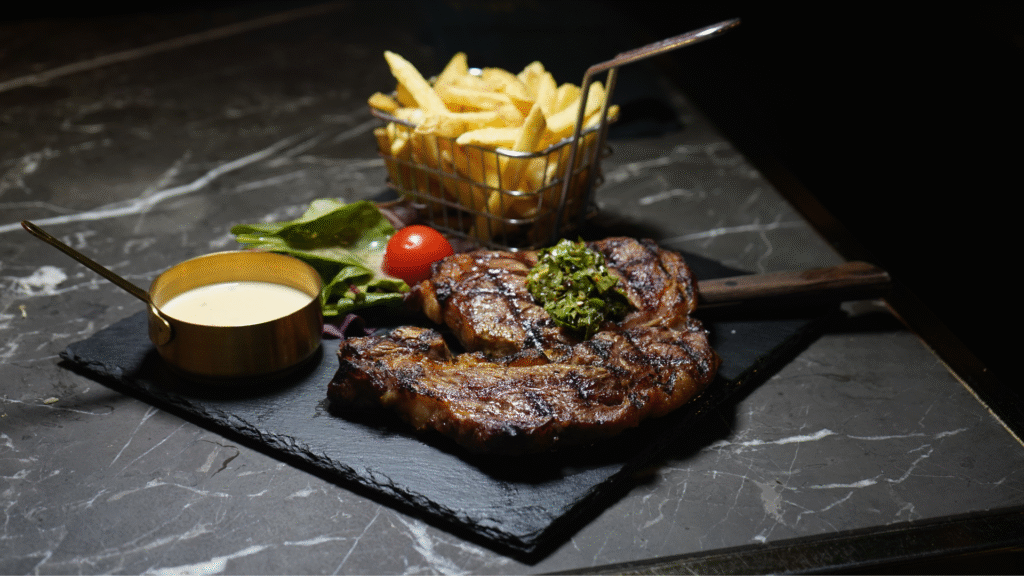
Steak is a cut of beef sliced across the muscle fibres, often cooked quickly at high heat. From ribeye to sirloin, each cut offers a different balance of tenderness, flavour, and fat. That’s why steak lovers often have strong opinions about their favourite.
Take ribeye, for example. It’s rich, marbled, and full of flavour, but higher in fat. Sirloin, on the other hand, is leaner, making it a popular choice for those watching their waistline. Filet mignon is prized for tenderness, though it’s usually smaller in portion.
Steak Nutrition varies depending on the cut. A lean flank steak will have fewer calories and fat compared to a ribeye. Understanding these differences helps you choose wisely, whether you’re cooking at home or ordering at a restaurant.
Calories in Steak
Calories in steak depend on the cut and preparation. A 100g serving of sirloin might have around 210 calories, while ribeye can push closer to 290. Add butter or creamy sauces, and the numbers climb quickly.
Think of calories as energy. If you’re active, a ribeye might fuel your workout recovery. If you’re trying to slim down, a leaner cut like tenderloin could be a better fit. It’s not about avoiding calories altogether, but choosing the right ones for your lifestyle.
Steak Nutrition reminds us that portion size matters. A restaurant portion often exceeds 250g, which can double or triple the calorie intake. Cooking at home gives you more control, whether you grill, pan-sear, or oven-roast.
Protein Content in Steak
Protein is the star of steak. A 100g portion of sirloin delivers around 26g of protein, which is excellent for muscle repair and growth. That’s why athletes and gym-goers often include steak in their diets.
Protein also keeps you fuller for longer. Imagine having a steak dinner compared to a bowl of pasta, you’ll likely feel satisfied for hours. This satiety can help with weight management, making steak a smart choice when balanced with vegetables.
Steak Nutrition highlights how protein quality matters. Beef protein is complete, meaning it contains all essential amino acids. This makes it particularly valuable compared to plant-based sources, though variety in your diet is always best.
Fat Content in Steak
Fat in steak is often misunderstood. Ribeye’s marbling gives it flavour, but also raises saturated fat levels. Sirloin and flank are leaner, offering less fat but still plenty of taste.
Not all fat is bad. Steak contains monounsaturated fats, which can support heart health. The trick is moderation, enjoying a ribeye occasionally, while choosing leaner cuts more often.
Steak Nutrition shows us that fat isn’t just about health, it’s about experience. That melt-in-the-mouth sensation comes from marbling. If you’re after indulgence, ribeye delivers. If you’re after balance, sirloin might be your go-to.
Vitamins and Minerals in Steak
Steak is rich in iron, which helps transport oxygen in your blood. That’s why people with iron deficiencies often benefit from eating red meat. It’s also packed with zinc, supporting immunity and healing.
Vitamin B12 is another highlight. Essential for nerve function and energy, it’s abundant in beef. A single serving can cover your daily requirement, making steak a practical source of this vital nutrient.
Steak Nutrition isn’t just about macros; it’s about micronutrients too. Niacin, selenium, and phosphorus all play roles in keeping your body running smoothly. Steak is more than protein and fat; it’s a nutrient-dense food.
Health Benefits of Eating Steak
Steak supports muscle building thanks to its protein content. For those lifting weights or recovering from sports, it’s a natural ally. Pair it with vegetables, and you’ve got a balanced post-workout meal.
It also provides long-lasting energy. Unlike quick carbs, steak’s protein and fat digest slowly, keeping you fuelled throughout the day. That’s why a steak lunch can carry you through an afternoon without snacking.
Steak Nutrition underlines its role in overall wellness. From boosting iron levels to supporting immunity, steak contributes to health in ways that go beyond taste. It’s indulgence with benefits.
Potential Health Considerations
Of course, steak isn’t perfect. Eating too much red meat has been linked to heart health concerns. Moderation is key – enjoying steak a few times a week rather than daily.
Cooking methods matter too. Grilling adds smoky flavour but can produce compounds best consumed in moderation. Slow-cooking or oven-roasting can be gentler, reducing potential risks.
Steak Nutrition reminds us to balance enjoyment with caution. Pairing steak with fibre-rich sides like salads or whole grains helps offset potential downsides. It’s about smart choices, not strict avoidance.
How Steak Fits into a Balanced Diet
Steak can be part of high-protein diets like keto or paleo. Its nutrient profile aligns well with these approaches, offering satiety and energy.
For everyday eating, balance is key. A steak dinner with roasted vegetables and a small portion of potatoes is both satisfying and nutritious. It’s not about restriction, but harmony.
Steak Nutrition fits into a balanced diet when portion sizes are sensible. Think of steak as the centrepiece, with colourful sides completing the picture. That way, you enjoy flavour without overdoing it.
Steak Nutrition Facts by Cut (Quick Reference Table)
Cut | Calories (per 100g) | Protein (g) | Fat (g) |
Sirloin | 210 | 26 | 9 |
Ribeye | 290 | 24 | 21 |
Filet Mignon | 250 | 27 | 10 |
T-Bone | 280 | 25 | 19 |
Flank | 220 | 27 | 8 |
Steak Nutrition varies widely by cut. This table shows how choosing leaner options can reduce calories and fat while keeping protein high.
It’s a handy guide for anyone planning meals or tracking macros. Whether you’re bulking, cutting, or simply curious, these numbers help you make informed decisions.
Remember, cooking methods can alter these values. Grilling, frying, or adding sauces will change the final nutrition profile.
Mina Steakhouse, Cambridge: Where Nutrition Meets Flavour
In Cambridge, Mina Steakhouse has built a reputation for serving quality cuts with flair. Their menu balances indulgence with mindful preparation, making it a destination for steak lovers.
Guests can enjoy ribeye, sirloin, or filet mignon, each cooked to perfection. The restaurant’s approach highlights flavour while respecting nutrition, offering sides that complement rather than overwhelm.
Steak Nutrition comes alive at Mina Steakhouse. It’s not just about numbers, it’s about experience. Here, you can savour steak knowing it fits into a balanced lifestyle.
Conclusion
Steak Nutrition is more than a set of numbers; it’s a way of understanding food. Calories, protein, fat, and vitamins all play roles in shaping how steak fits into your diet.
By choosing cuts wisely and cooking with care, steak can be both indulgent and healthy. It’s about moderation, balance, and enjoyment.
So next time you’re in Cambridge, Mina Steakhouse offers the perfect chance to put these facts into practice. Savour the flavour, appreciate the nutrition, and enjoy steak as part of a well-rounded lifestyle.
Frequently Asked Questions
The calorie content of steak depends on the cut and cooking method. On average, a 100g grilled sirloin steak contains around 250–280 calories.
Yes, steak is an excellent source of high-quality protein, making it ideal for muscle growth and repair.
A 100g portion of cooked steak typically provides about 25–31 grams of protein, depending on the cut.
Steak generally contains 25–31g of protein per 100g, making it a rich source of complete protein.
Absolutely. Steak is rich in protein and essential nutrients like iron, zinc, and B12, great for a high-protein, nutrient-dense diet.
Leave a Reply